
A reader-built project just opened in Granada, Spain, around a simple pitch: a physical space made for fantasy fans, by fantasy fans, built on the idea that this is the place they'd always wished existed. It's a local story about one city and one team of readers. But the instinct behind it isn't local at all — it's the same one behind Discord servers with thousands of members, Etsy shops selling hand-painted miniatures, and self-published universes that keep expanding years after their first book. Fantasy readers don't just want more books. They want somewhere to put their attachment to a world once the last page is turned.
A bookshop was never really the ask
It's tempting to read a story like this as "a new fantasy bookstore opened," but that undersells what's actually being built. A shelf of books is available in any city already. What a dedicated space adds is everything a shelf can't do on its own: a room to talk about a world with people who already know its rules, events built around a shared calendar of releases, and physical objects — maps, art, miniatures, merchandise — that turn a story you read alone into something you can point to and say "this is mine too." That's not a retail model. It's a community model that happens to sell books.
Three things fans are actually asking for
Strip away the specifics of any one project and the same three requests show up everywhere fantasy communities gather, online or off:
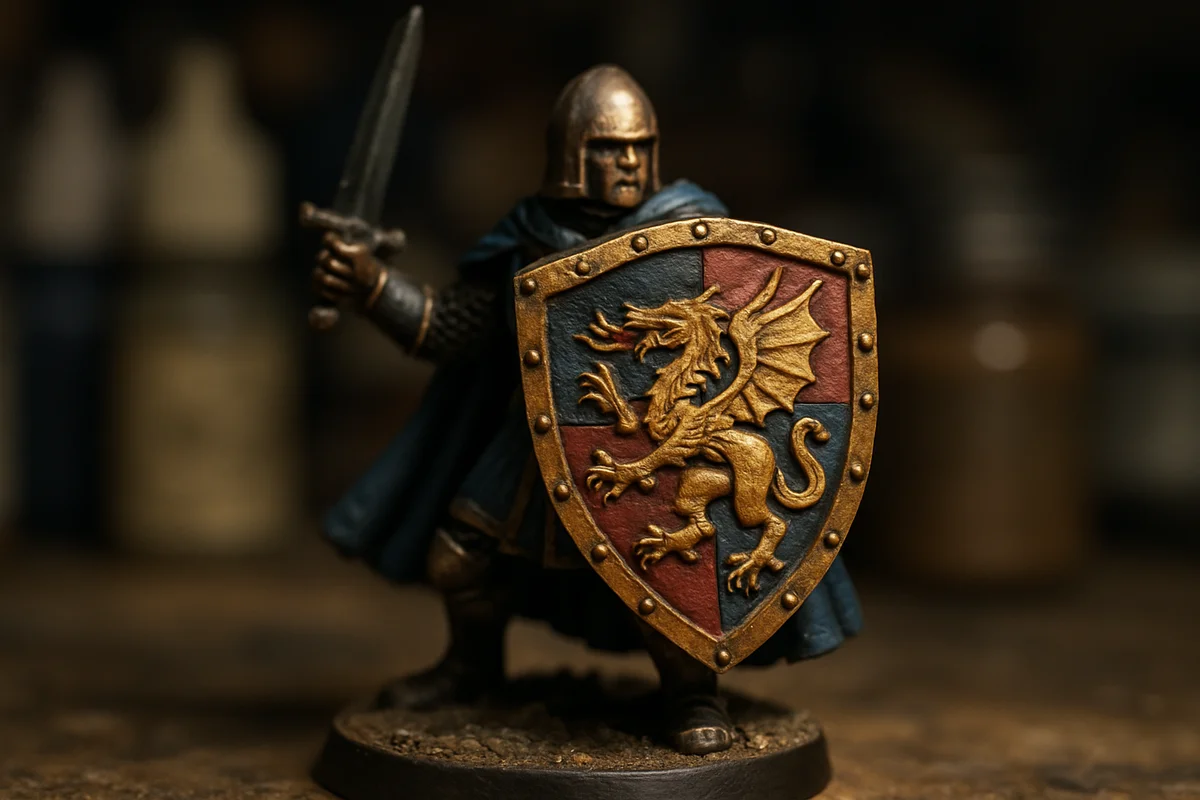
Something tangible from an intangible world. A novel lives entirely in the reader's head until something — a map, a painted figure, an illustrated card — gives it a shape you can hold. That's why fantasy conventions sell out of miniatures and prints faster than almost anything else on the floor.
A shared reference point. Fans don't just want to have read the same book; they want a glossary, a map, a family tree — something that lets a conversation start at "you know the region where—" instead of re-explaining the whole plot every time.
A reason to keep coming back. A finished trilogy is a closed loop. What keeps a fandom active is ongoing material: new lore, new regions, new art — something that rewards checking back in months after the last chapter.

What a self-published universe offers instead
Not every reader lives near a project like the one in Granada, and that's exactly the gap self-published worlds try to close from a distance. Drakhthar was built around the same three needs, just delivered online instead of in a physical room: a Codex that works as the shared reference point — thirteen regions, each bound to its own dragon, that fans can explore the way you'd walk a map on a wall — and an Etsy shop where the world's dragons and characters exist as hand-finished miniatures, the tangible object a screen can't give you on its own. None of it replaces a room full of people who read the same books you do. It's built for the reader who doesn't have one nearby yet.
What to look for, wherever you land
Whether it's a storefront in Granada or a website you found through a search, the test is the same: does this place give you something to hold, something to reference, and a reason to come back next month? A project that answers all three is doing more than selling fantasy — it's building the room readers keep saying they wished existed.