
What makes Wildwood interesting to an epic fantasy reader who also collects miniatures? It offers a reason to examine how an imagined world becomes something you can see. DRAKHTHAR’s figures let us take that question from the cinema to the display shelf.
The short answer: a physical design can give a character a memorable appearance; discovering their place in a world requires context. Try looking at a DRAKHTHAR figure before reading its accompanying lore, then compare what you noticed with what the text actually establishes.
What does Wildwood bring to this conversation?
LAIKA’s official announcement through distributor Fathom identifies Wildwood as a stop-motion film directed by Travis Knight, adapted from the book written by Colin Meloy and illustrated by Carson Ellis. That combination makes it a useful starting point for thinking about fantasy across different forms.
There is a distinction worth keeping in view. A filmed performance gives a figure actions and a sequence in which to understand them. A collectible stands still. When you encounter it on a shelf, you choose where to look and how long to linger.
For a collector, the useful question is therefore specific: what can this object suggest before I know its story, and what would I need to read to understand it? You can explore that distinction without treating a collectible as a film puppet.
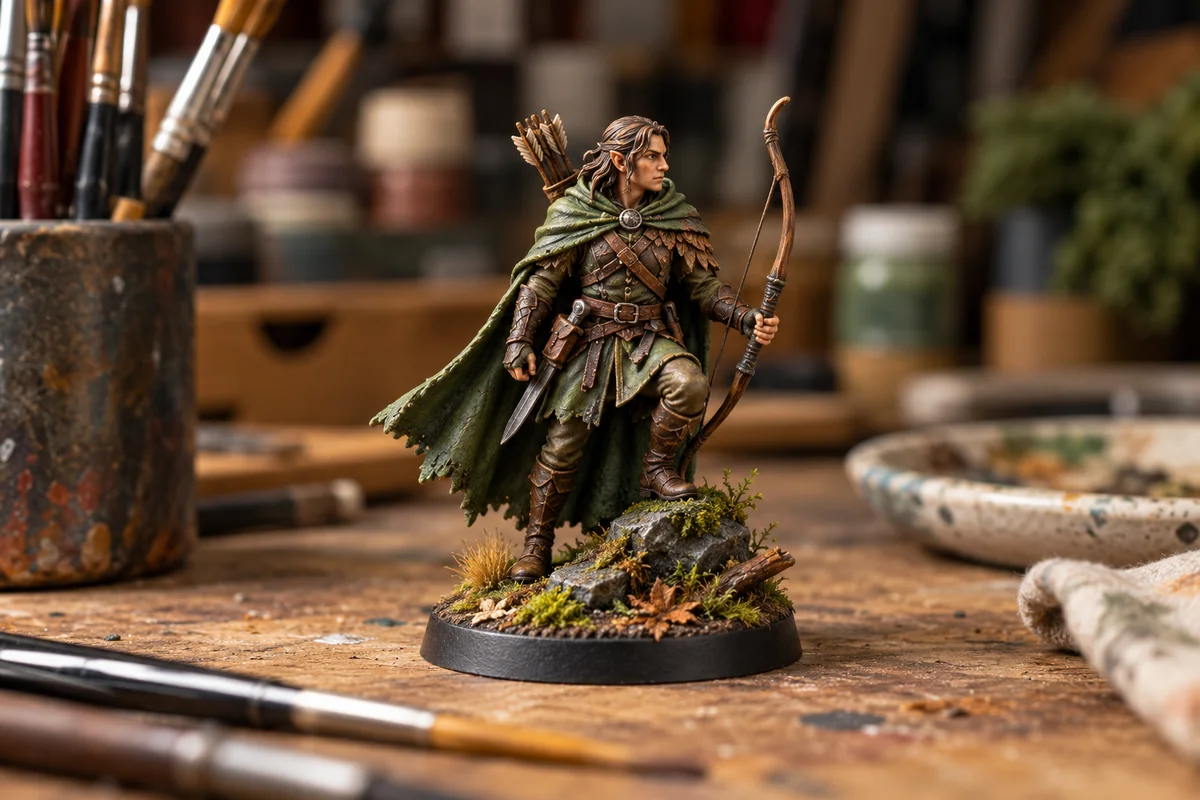
What can you discover by looking before reading?
Start with observation. Describe the outline, pose and visible details of a figure. Keep interpretations separate: “this looks threatening to me” describes your response, while “this character betrayed their kingdom” would require evidence from the story.
The distinction becomes practical on the DRAKHTHAR home page. It presents FDM miniatures alongside a novel preview and a setting organised into thirteen regions, dragons and Named characters. The object and the writing offer different kinds of access to that setting.
Here is a comparison exercise built around those parts of our own catalogue:
| Start with | Record first | Check against the writing | |---|---|---| | A figure’s appearance | The feature that caught your attention | Whether the lore explains its significance | | Its name or descriptive title | The impression the wording creates | What the published account actually confirms | | Its regional association | What you expect from that connection | How the region and character are presented | | Your display idea | Why you would place it beside another figure | Whether that grouping reflects lore or personal taste |
The questions are a way of examining the catalogue, not additional character history. An unanswered question can remain unanswered.
Does a miniature need the whole world beside it?
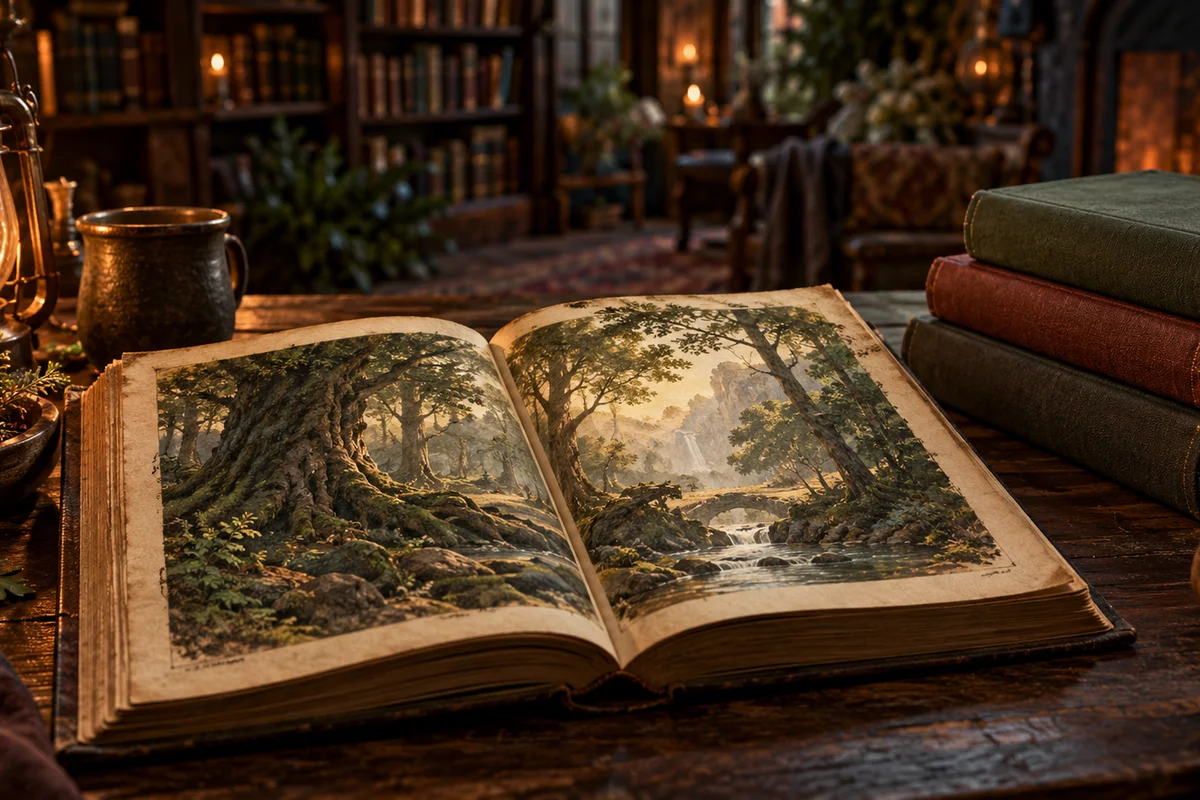
You can enjoy a figure’s appearance without learning every name in its setting. If you want to collect through story, however, a useful next step is to identify a connection you can explain.
DRAKHTHAR’s presentation links its figures with regional lore, maps and the Codex. Choose one of those connections rather than attempting to absorb the entire setting at once. Perhaps you want to understand the region associated with a figure; perhaps its title makes you curious about its role.
Keep a brief note with two sentences: one describing what attracted you visually, the other recording something the published lore confirms. That gives your collecting decision a basis you can revisit when choosing another piece.
How can you try this with DRAKHTHAR?
Begin with the figures shown on the home page and select one that interests you. Write down your first impression before following the site’s character or Codex navigation. Then check whether the text supports, complicates or leaves that impression open.
For a different experience of the same project, open the novel preview. Read for the unfolding scene rather than searching only for familiar names.
Return to the figure afterward. Decide which detail you now want to examine more closely, or which question you want to investigate next. That is a concrete way to move from admiring fantasy craftsmanship to exploring the world attached to it.