When asking whether a fantasy book uses AI, identify the material first: the story, an illustration, a translation or promotional copy. Then ask what the tool contributed and who approved the result. A single yes or no leaves too much unexplained.
For readers deciding which imagined world deserves their time, that distinction matters. You might accept assistance with publicity while wanting different assurances about the prose you will read. Another reader may draw the boundary elsewhere.
At DRAKHTHAR, we propose examining those choices through the separate parts of our own universe. This is a reading and transparency framework, not a certification of how every asset was produced.
Does “using AI” describe one publishing practice?
Hachette Book Group’s official author guidance distinguishes operational applications from creative uses that replace the work of an author, designer, illustrator or translator. For the latter, it describes avoidance or obtaining consent from the relevant rights holders. HBG’s published guidance.
That is evidence of the publisher’s stated approach. It does not independently establish what happened during the production of any particular book.
The useful lesson for a reader is specificity. “AI helped with this release” could describe very different contributions. Ask which material the statement covers before deciding whether it answers your concern.
Nor should an attractive result settle a question about its origins. Enjoyment and production transparency deserve separate answers.
Why use DRAKHTHAR as a practical example?
The DRAKHTHAR home page brings together a novel preview, thirteen regions, dragons and a Codex. That gives us distinct materials to compare without inventing a fictional publishing scandal.
Here is the distinction we propose: a statement about a promotional image should describe that image. It should not become an unsupported statement about the novel, and a statement about the novel should not automatically cover every visual representation.
The same care applies to canon. An atmospheric picture might invite you into a world without establishing a new geographical fact. A factual claim about that world needs an identifiable reference.
What should a useful disclosure actually cover?
Our checklist follows the materials presented by DRAKHTHAR. It records questions to ask, not findings about tool use.
| Material | Question worth asking | Separate check |
|---|---|---|
| Novel preview | Did a tool generate prose, suggest revisions or assist another task? | Does the passage make you want to continue? |
| Codex | Who approved the information as part of the setting? | Can the relevant statement be located? |
| Regional presentation | Is this an authoritative depiction or an interpretation? | Does the description support the geographical claim? |
| Dragon illustration | What was generated, edited or commissioned? | Which visible details belong to established lore? |
| Promotional copy | Does the process statement cover this advertisement only? | Does the advertisement accurately describe the material offered? |
These questions need not produce identical answers. Their purpose is to prevent a vague label from carrying more meaning than its author intended.
A useful explanation names the contribution and its scope. Readers can then decide whether that process fits their preferences.
Can an image make a promise the product does not?
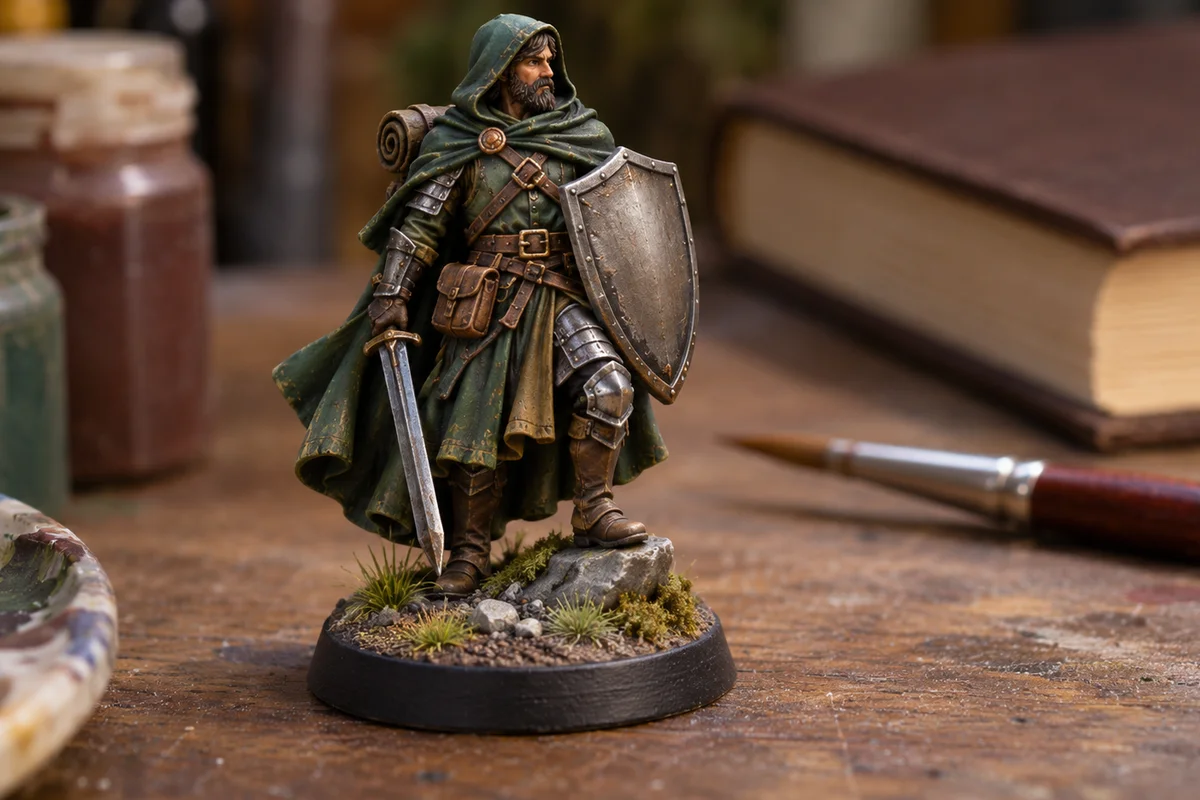
DRAKHTHAR already offers a concrete example of why explanatory context matters. Our miniature FAQ states that figures are sold unpainted and that painted product images illustrate a possible finished appearance.
That disclosure concerns the product, not AI. But it demonstrates the kind of distinction we want: what the picture shows and what the buyer receives are made explicit.
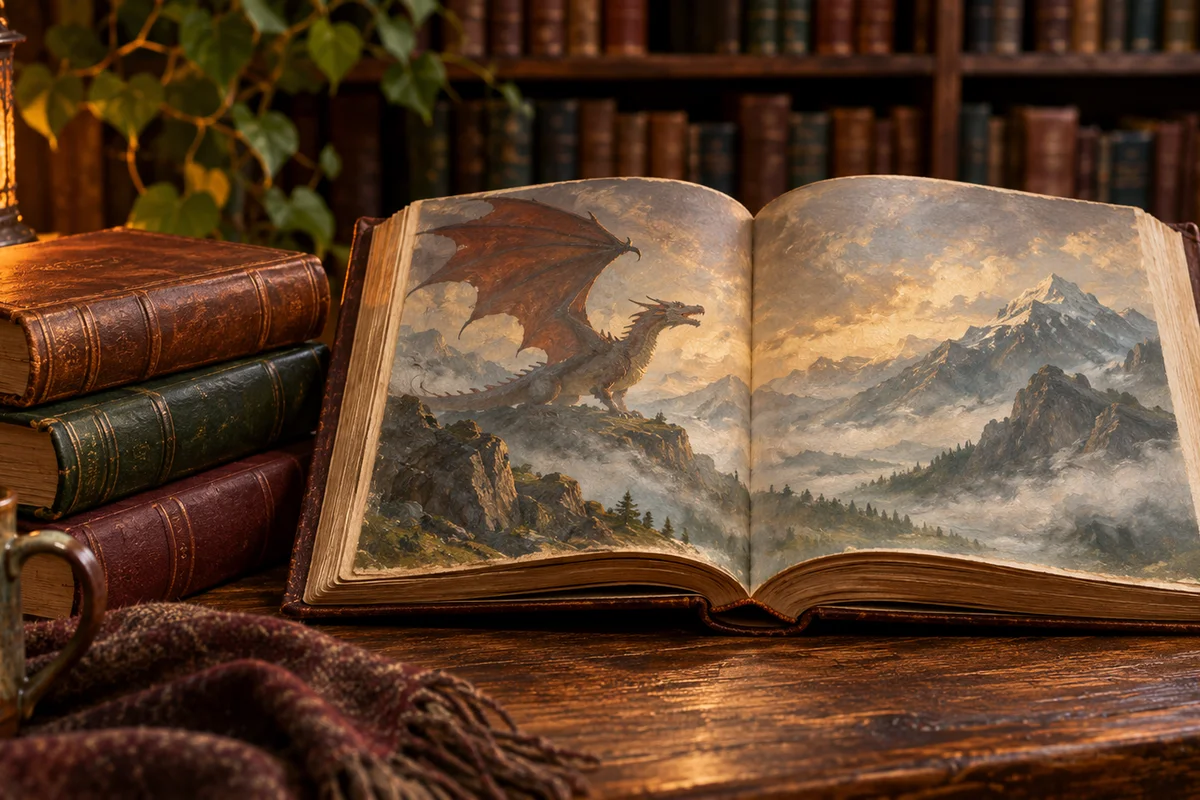
We would apply the same editorial reasoning to conceptual artwork. If an image illustrates an idea rather than reproducing a book page or an established location, its caption should explain that role. This is our proposed standard, not a claim that every existing image carries such a notice.
What if the explanation is missing?
Keep the question open. A missing production statement gives you a reason to ask for one; it does not, by itself, establish the process used.
Likewise, finding an inconsistency between an illustration and a description identifies something worth correcting or explaining. It does not tell you which tool caused it.
A precise question is more productive than a general accusation: “Does this image represent the official setting, and how was it made?” separates fidelity from production history.
How can you put this into practice?
Open DRAKHTHAR’s novel section and choose a passage. Next, examine a regional or dragon presentation. For each, write down what you enjoyed and what you still want to know about its creation.
Use the Spanish presentation if you prefer its navigation and introductory text. Keep your questions attached to the particular material.
You can appreciate a fantasy world while asking clear questions about how it reaches you. The next step is concrete: identify one work, one production question and the answer that would help you decide.