
A Goodreads rating expresses a reader’s assessment of a book. A position on a voting list is a different result, and neither tells you which part of a fantasy world earned someone’s enthusiasm.
The short answer: identify the measure, then identify the work being judged. DRAKHTHAR makes that second question especially useful: fiction, a Codex and collectible miniatures offer different things to discuss. Here is a practical framework for readers who want their reviews to explain more than their stars.
Is a list position the same as a book rating?
Look closely at the Goodreads Listopia page for highly rated books. It displays an average rating, a rating count and a separate list score. Its explanation says the score depends on factors including how many people voted and where those voters placed the book.
Those labels matter. A list position should not be reported as though it were simply a descending order of average ratings. Before repeating “the highest rated,” establish which measure supports the description.
That check does not require dismissing lists. It lets you describe what you have actually found without turning a particular selection into a verdict on every fantasy book.
What should the written review add?
In its official rating and review guidelines, Goodreads distinguishes a personal assessment expressed through a rating from the reasoning supplied in a review. It encourages comments grounded in reading experience and supported by examples.
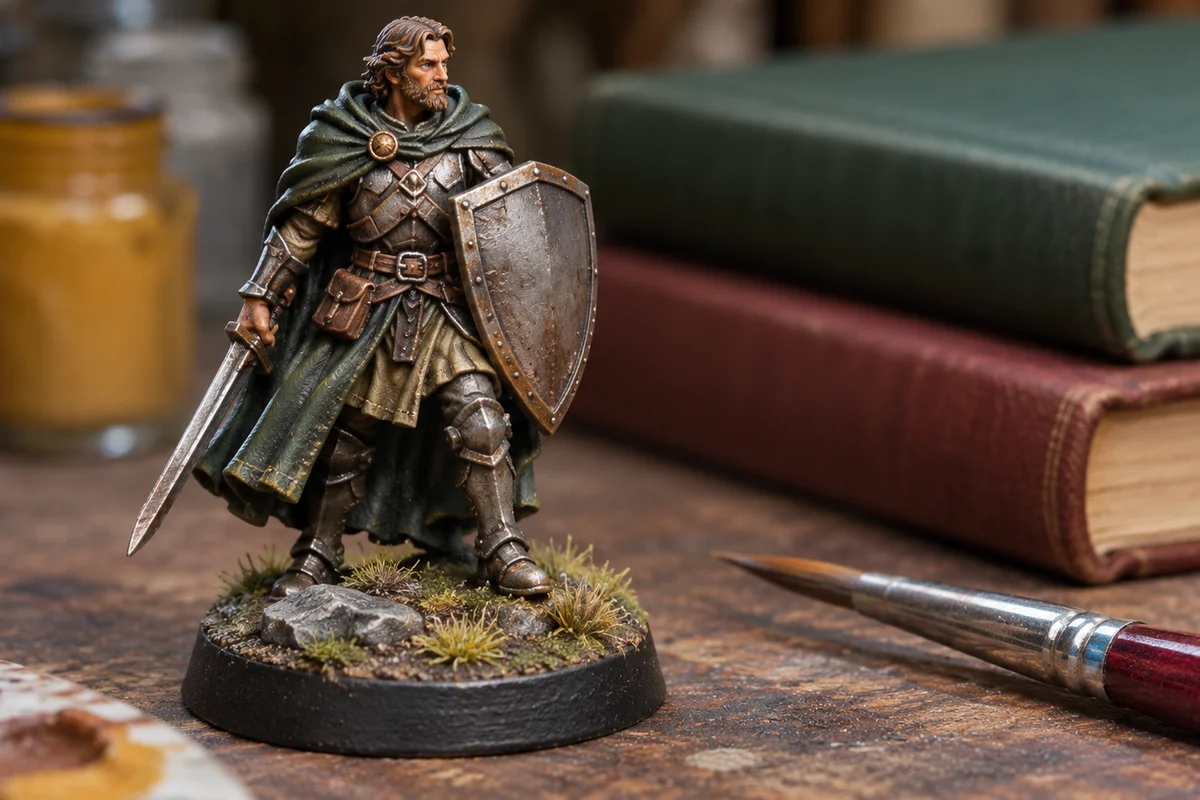
For fantasy, try unpacking the phrase “I loved the world.” Did you enjoy the language of a passage, the information available about a place, or the visual design associated with it?
These are useful starting points for different conversations. Naming the object of your enthusiasm makes your opinion easier for another reader to understand. You can admire an idea while still wanting to discuss how it works on the page.
What does DRAKHTHAR let us separate?
The DRAKHTHAR presentation brings together its book, Codex, regions, dragons and FDM miniatures. That combination gives us a concrete editorial exercise: separate your response to the fiction from your response to the surrounding material.
The following table is our proposed review framework, not a collection of reader scores.
| Material you examine | A useful question | Keep the conclusion within this scope |
|---|---|---|
| Book preview | Which passage held my attention, and how? | Your experience of the opening you read |
| Codex presentation | What information about the world interested me? | The reference material you actually consulted |
| Regional material | Which detail made me want to explore further? | Your response to that presentation |
| Miniature presentation | What appealed to me about the figure’s appearance? | The images or object you examined |
There is no need to combine those observations into a single verdict on the entire universe. Keeping them separate gives each one more substance.
Can an opening support a verdict on the whole novel?
Our English homepage currently offers an opening preview and states that the complete illustrated Book I is being rewritten. That makes the boundary of a reading response particularly relevant.

If you have read the opening, discuss the opening. You can describe what caught your attention, what confused you and what you hope the story will develop. A conclusion about the ending would require a different reading experience.
The same discipline applies when moving between formats. Enjoying a dragon’s visual presentation does not tell another reader how the prose handles its presence. Finding a Codex entry intriguing does not establish how a novel develops that information.
These distinctions give enthusiasm a clear foundation.
How can you write a more useful fantasy response?
Use this sequence as a private drafting exercise:
- Name the material you experienced.
- Identify a particular detail you can point to.
- Explain your response to it.
- State the boundary of that response.
For example, “This introduction made me curious about the setting because…” invites a specific explanation. Complete it with something you actually encountered rather than a general promise about epic scale.
Start with the Spanish DRAKHTHAR presentation or its English counterpart. Choose the book section or the world material and write a short response using the sequence above. Before sharing it, check that every judgement refers to something you read or examined.
You will have a clearer account of your experience—and another fantasy reader will know what your enthusiasm means.