
A fantasy sales record measures purchases within a defined scope. It does not, by itself, tell you how many people finished the story, loved its world or will return for another book.
The short answer: check the territory, period, formats and comparison behind the number. Then keep commercial performance separate from literary judgement. DRAKHTHAR offers a practical way to practise that distinction using the information our own website presents.
What needs to accompany a sales figure?
Before sharing a record, try completing this sentence: “This book sold this many copies, in this market, during this period, counting these formats.”
Every blank matters. A launch window and a lifetime total answer different questions. A claim about one territory cannot establish a worldwide result. If the category is adult fantasy, removing “adult” changes the claim you are making.
The underlying measurement also matters. NielsenIQ describes BookScan as a service monitoring print-book retail sales from point-of-sale information. Its UK lifetime reporting service specifies print sales reported by ISBN.
That gives us a useful reading rule: preserve the qualifications attached to a figure. They explain what the number means.
What can we establish about the book behind the discussion?
Bloomsbury’s official listing identifies Sarah J. Maas’s A Court of Splintered Harmony as the sixth ACOTAR book and gives its publication date as 27 October 2026.
That confirms the publication. The product page does not substantiate the precise launch-sales record that prompted this discussion, so we are not reproducing that figure as a verified result.
This is a useful distinction for anyone following fantasy news: confirming that a book exists is different from verifying how its commercial performance was measured. You can be interested in a release while leaving a particular statistical claim unresolved.
How does the same scrutiny apply to DRAKHTHAR?
Our English presentation describes a universe with thirteen regions, thirteen dragons and thirteen Named. Those numbers describe its contents. They cannot tell you its readership.
Here is an editorial audit of what our public materials can support. It is a comparison of evidence, not a report of audience statistics.
| Public material | What you can examine | What it cannot establish alone |
|---|---|---|
| Regions, dragons and Named | The announced scope of the setting | How many people read the novel |
| Codex presentation | The reference material offered alongside the fiction | How often readers consult it |
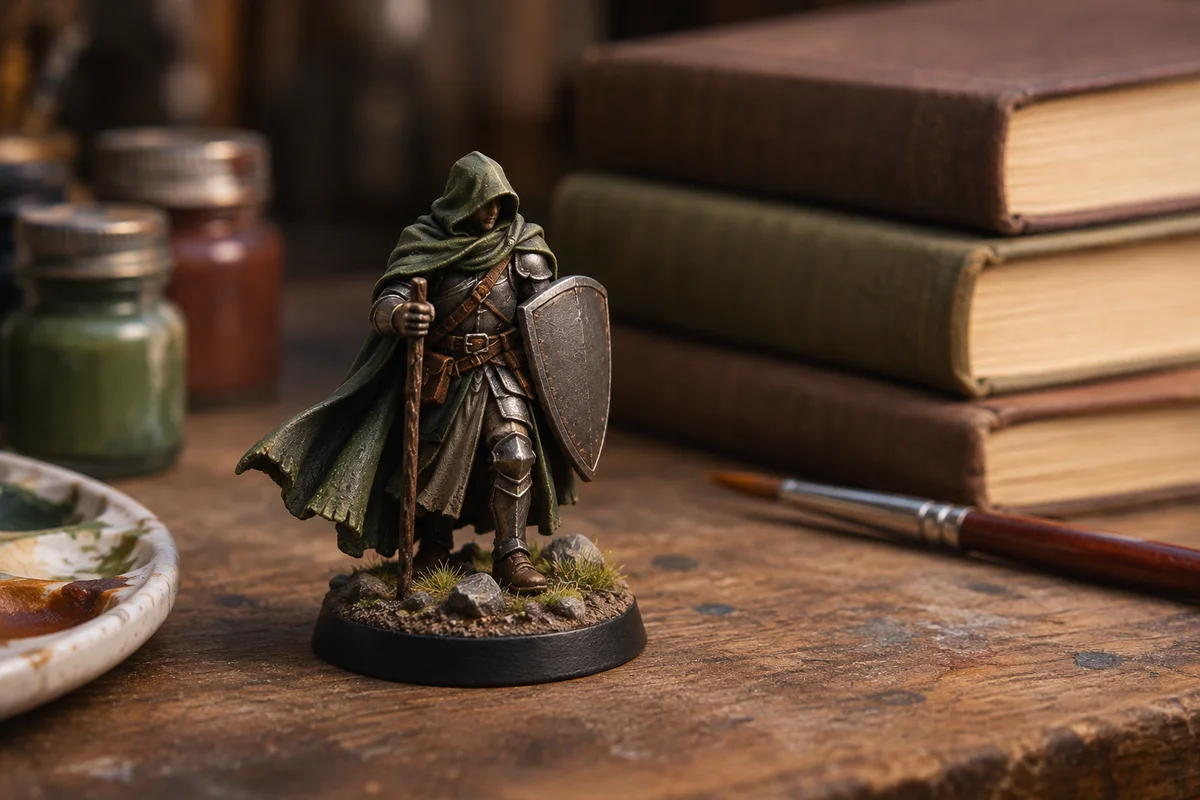
| Miniature presentation | The physical interpretation offered to collectors | Book-sales totals |
| Invitation to share opinions | The opportunity to participate | How many visitors actually participate |
The distinction protects both reader and creator. A detailed world deserves discussion on its own terms; its breadth should not be presented as evidence of commercial reach.

Why can’t those activities be added together?
Imagine someone exploring a region, looking at a miniature and then leaving a comment. This hypothetical visitor has performed several actions. You still cannot infer several readers, a book purchase or a completed reading.
The reverse assumption would also be unwarranted: someone who says nothing publicly might have read attentively. Visible participation and reading are different questions.
For DRAKHTHAR, the useful approach is to name the activity you mean. Say “exploring the setting” when discussing the regions, “collecting” when discussing figures, and “reading” when discussing the novel. Each deserves its own evidence.
What should you do with the next record headline?
Write down the full claim before deciding what it implies. If its source leaves the format or territory unclear, retain that uncertainty rather than filling the gap yourself.
Then try the same exercise on the Spanish DRAKHTHAR presentation. Choose one statement about the universe and identify what would verify it. Choose a second statement you might be tempted to infer about its audience, and ask what additional evidence that would require.
You will leave with a sharper question than “Is this successful?”: successful at what, according to which evidence? Use that question the next time a fantasy launch becomes a headline.